I make complex development work legible to government decision-makers, donors, communities and families, so the right decisions follow.
Complex stories. Real audiences. Content built to reach people, not fill channels.
Twenty years making Global South voices (Africa, the Indian Ocean islands, the Pacific) heard at national, regional and global level. I design the communication strategy and produce the stories that deliver it.
I built the unified communication narrative for Indian Ocean NGOs working on HIV/AIDS, so a fragmented sector could speak with one voice.
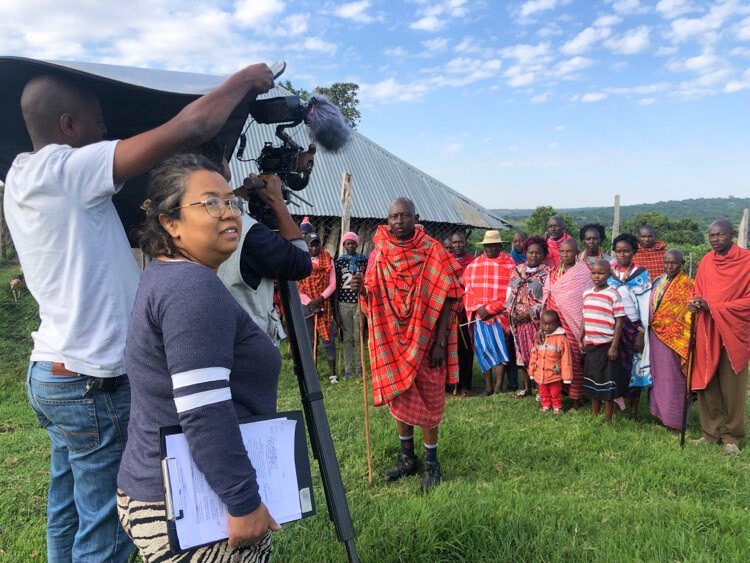
In East Africa, I made women in fisheries visible: through regional media and network events that connected them to peers they didn't know existed.
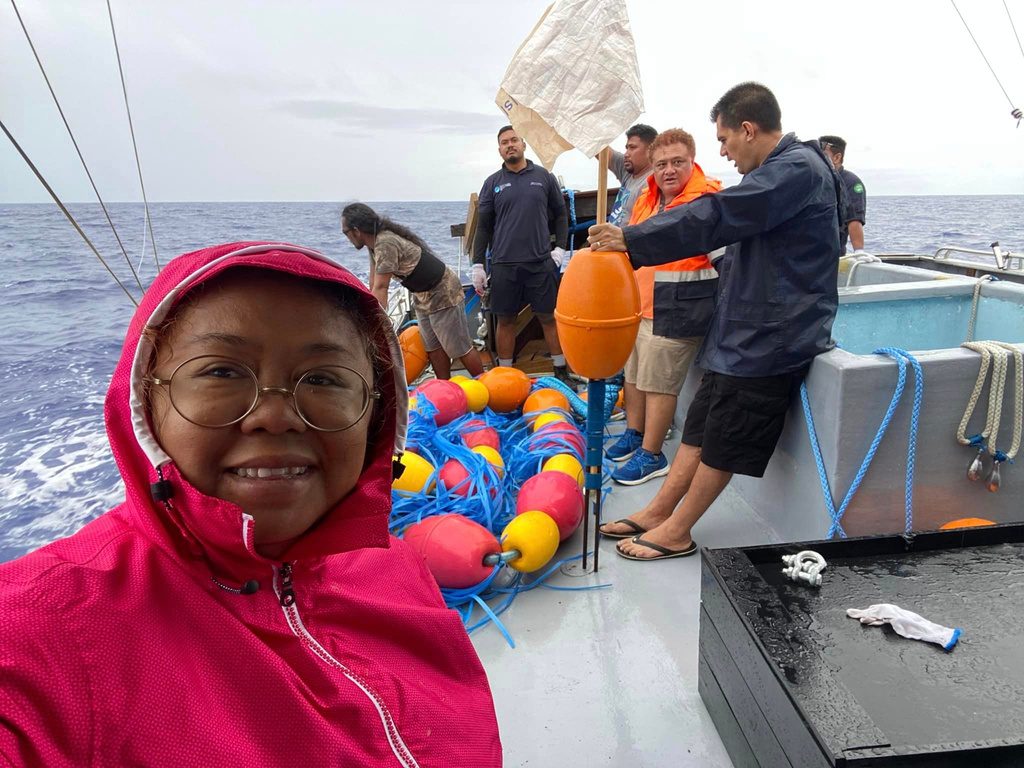
In the Pacific, I translated complex tuna science and climate research for general audiences and for decision-makers, and made it land.
I thought the gender lens was accidental. I was wrong. The turning point was the "sausage lady", a Ugandan woman who wanted to launch a fish sausage business and had no idea where to start. I put her story on regional media in East Africa. The connections came. The rest is history. From then on, I noticed how often women weren't at the table, weren't in the narrative, weren't getting the information they needed to lead. And how much changed once they did.
I work in English and French.
What I bring that others don't: outcome-first thinking. I don't start with the deliverable. I start with the question, what is this actually meant to change, and for whom? Then I build backwards. I am an islander and African, with six years lived in the Pacific and field work across East Africa and the South-West Indian Ocean. That combination is rare in this work.
European Union, World Bank, African Development Bank, New Zealand's Ministry of Foreign Affairs and Trade (MFAT), Australia's Department of Foreign Affairs and Trade (DFAT), and similar.
UN agencies, FAO, regional fisheries and ocean bodies, intergovernmental partnerships.
Organisations delivering programmes in the field, where strategic narrative is the difference between visibility and invisibility.
If you recognise yourself in one of these, we should talk.
"Our programme is doing important work but nobody really gets it."
Your programme delivers valuable work, but partners, donors and policymakers struggle to see why it matters.
"We have important research or data, but it isn't reaching decision-makers."
Your research is strong but stays in expert circles. Decision-makers don't see why the findings should shape policy.
"We need to explain our impact to donors."
Your programme is generating results, but the impact narrative isn't yet clear for donors. Often emerges before reviews, renewals, or funding proposals.
"Our director needs to represent the programme externally."
Your director or technical leader needs to represent the programme in donor meetings, conferences or policy forums, and the message must land.


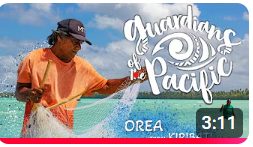
Two regional flagship campaigns: Guardians of the Pacific (regional identity and advocacy) and Teen Tuna Tok (youth video series, around 300,000 views).
If one of those four situations is yours, let's talk.